
Last updated on 25th August 2026 by Sarah Sarsby
Disclaimer: This content is sponsored, but all thoughts are my own and unbiased
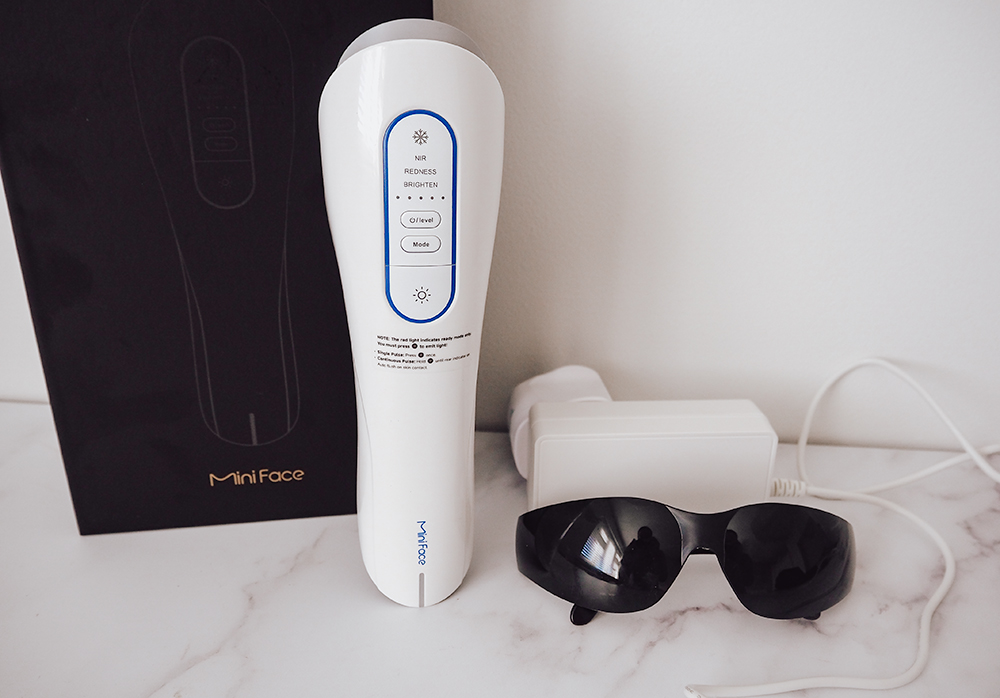
Photofacial treatments use intense pulsed light (IPL) to treat skin concerns like redness, fine lines, wrinkles, acne, rosacea, and sun damage.
The ViQure Lumirea device is designed to deliver a professional photofacial treatment at home. It combines near-infrared light and dye pulsed light to brighten dull skin, smooth fine lines, and reduce redness and rosacea.
But is this skincare device effective? In this honest review, I share my experience of using the ViQure Lumirea over the last 2 months.
*This post contains some affiliate links. This means, at no extra cost to you, I earn some commission if you purchase a product through my link. All thoughts are my own, though, as always. If you want to find out more, visit my affiliate disclosure page*
What is dye pulsed light?
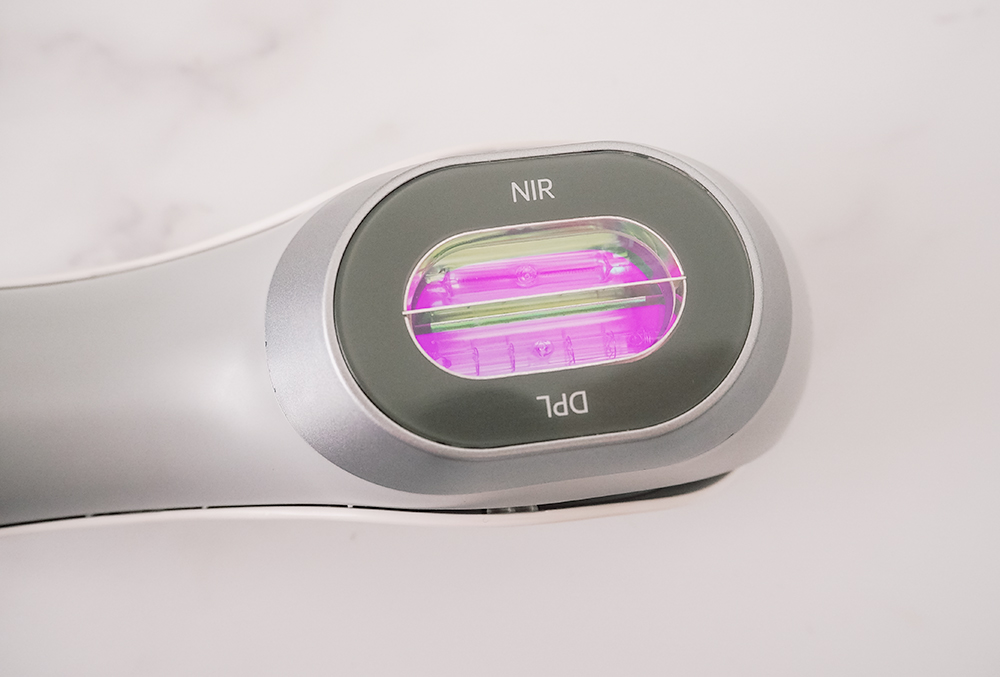
Dye pulsed light (DPL) is a relatively new type of light therapy that delivers controlled pulses of light to the skin. Traditional IPL uses a broad spectrum of light, typically around 400–1,200nm, whereas DPL uses a narrower range of wavelengths to provide more targeted treatment. The Lumirea uses DPL wavelengths of 530–650nm.
LED face masks work differently again. They generally use specific wavelengths of low-intensity light, such as red and near-infrared, rather than the broader, more intense pulses used by IPL and DPL. They’re commonly used for ongoing skincare concerns such as supporting collagen production, improving skin texture, and reducing the appearance of fine lines and redness.
According to ViQure, the main advantage of DPL over traditional IPL is its narrower wavelength range, which allows the light energy to be concentrated more selectively on particular skin concerns. The brand describes DPL as being suited to targeted concerns such as redness and pigmentation, while IPL offers broader-spectrum treatment.
In simple terms, IPL uses a broad spectrum of pulsed light, DPL uses a narrower spectrum for more targeted treatment, and LED masks use specific wavelengths of light.
The Lumirea combines DPL with NIR, allowing it to target multiple skin concerns.
What is near-infrared light?
Near-infrared (NIR) is a type of light that sits just beyond the visible red-light spectrum. It can penetrate deeper into the skin and underlying tissue than visible red light, which is why it’s often used alongside red light in LED skincare devices.
Like red light, NIR interacts with cells and may support processes involved in skin health. Potential benefits include supporting collagen production, reducing inflammation, and helping with skin repair and regeneration. It may also help improve the appearance of firmer, smoother skin and fine lines over time.
About the ViQure Lumirea photofacial device
The ViQure Lumirea is an at-home photofacial device that combines DPL and NIR light therapy. ViQure says that visible results can be seen in as little as four weeks.
At the time of writing, the device costs £344.68 GBP / $469.00 USD.
Key features at a glance
- DPL + NIR composite light technology
- 3 treatment modes: NIR, Redness, and Brighten
- 5 adjustable energy levels
- 6 cm² illumination area
- Built-in sapphire cooling system
- Single and continuous pulse modes
- Corded design
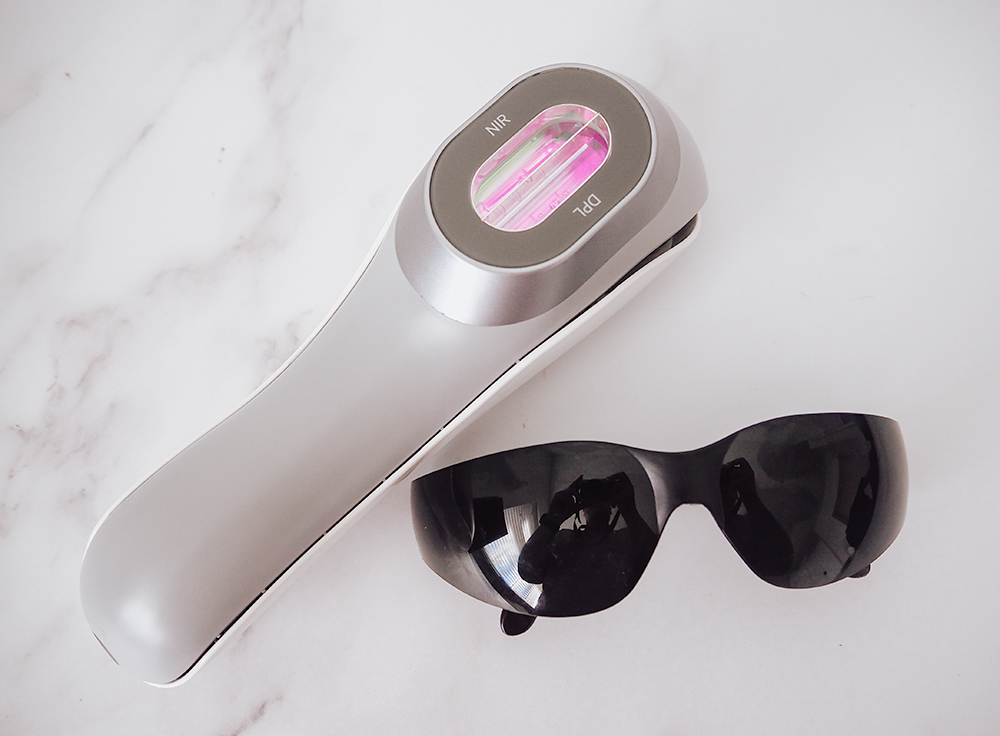
What’s in the box
The box comes with the Lumirea device, power charger, protective goggles, and user manual.
ViQure Lumirea benefits
The Lumirea has three treatment modes designed to target different skin concerns:
- NIR: targets fine lines, enlarged pores, rough texture, firmness, and elasticity
- Redness: targets facial redness and visible capillaries
- Brighten: targets freckles, age spots, sun spots, acne marks, uneven skin tone, and dullness
You can target several different skin concerns during the same treatment.
The Lumirea also has built-in sapphire cooling. The cooling contact helps lower the skin’s surface temperature by 5-10°C during treatment, which can make the light therapy more comfortable and help minimise heat on the surrounding skin.
Wavelength modes and specifications
The Lumirea uses DPL wavelengths of 530–650nm and NIR wavelengths of 900–1,800nm. It also has a continuous lamp that emits a broader 400–1,800nm spectrum.
How to use the device
Using the ViQure Lumirea is relatively straightforward. Follow the simple steps below:
- Ensure skin is clean and dry before use, with no other skincare products applied
- Connect the power adapter to the device and plug it in
- Put on the protective goggles
- Long-press the power button to turn the device on
- Press the mode button to select NIR, Redness, or Brighten
- Use the device according to the selected mode: slide it slowly across the skin for NIR, use a sliding or stamping motion for Redness, and use a stamping motion for Brighten
- Short-press the power button to select your desired energy level
- Select either single-pulse or continuous-pulse mode using the light button
- Long-press the power button to turn the device off after treatment
- Apply a cooling or hydrating mask afterwards to soothe and moisturise the skin
Things to know before using the ViQure Lumirea
Before using the Lumirea, there are a few important precautions to be aware of:
- The device should only be used on clean, dry skin, without other skincare products applied beforehand.
- Protective goggles should be worn during treatment. The device should not be used on the eyeballs, eyelids, or under-eye area.
- Avoid direct sunlight before and after treatment, and don’t expose treated skin to direct UV rays for at least 48 hours afterwards.
- If you’ve had sunburn or UV-damaged skin within the previous three days, wait until it has recovered before using the device.
- The manual advises against using the device during pregnancy or breastfeeding, with certain medical conditions, on infected or damaged skin, or while taking certain medications.
- Topical isotretinoin, AHA, BHA, and azelaic acid are among the products that should not be used with the device.
- Mild redness or warmth after treatment can be normal. However, if treatment feels painful, the manual advises reducing the energy level or stopping use.
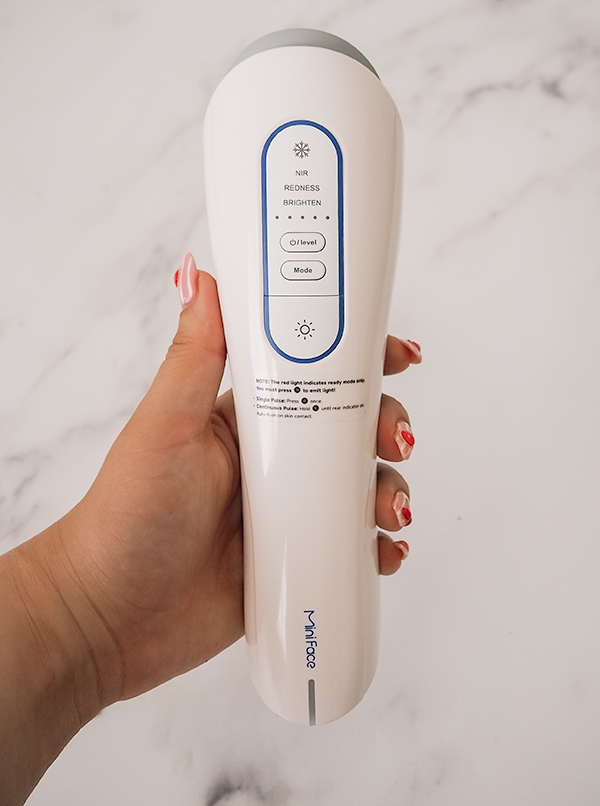
Using the ViQure Lumirea: My honest review
In this section, I share my results after using the ViQure Lumirea for the last 2 months. I’m 31 with combination sensitive skin. I have a few fine lines around my eyes and forehead. I’ve also got rosacea, which is largely under control but presents itself when I get warm.
How I added the device to my skincare routine
You’re advised to use the Lumirea device 3-4 times a week. I used the device around once or twice a week during my first month, before increasing this to 3 times a week during my second month.
Slotting the device into my evening skincare routine is convenient. I largely cycled between the Redness and Brighten modes, but I used NIR several times.
After completing a treatment session, I continued with my usual evening skincare products: toner/serum, moisturiser, and sometimes a facial oil.
Comfort and ease of use
The Lumirea is a reasonably lightweight handheld device. You don’t hold the device in the same position for longer than a few seconds, which makes it comfortable to use.
I like that you can just pop the protective goggles on. They fit well and don’t feel tight or slip around. I never felt like the light from the device got into my eyes.
I normally used energy level 5 – the highest level – during my treatments. It was tolerable and didn’t cause any irritation.
It took some practice to get the positioning right so the device had proper contact with my skin. I found that if I didn’t get the contact right, the light wouldn’t flash. You really need to ensure the device is fully pressed to your skin for it to work. However, once I got the positioning right, it was easy to use.
There isn’t a built-in timer, so you’ll need to keep track of your treatment time yourself. ViQure recommends using the device for 5 minutes per session, which I followed.
Overall, this device slots so effortlessly into my evening skincare routine. As I have sensitive skin, I’m also mindful of what I apply afterwards and tend to avoid retinol or exfoliating products immediately after treatment.
My results after 2 months
After using the ViQure Lumirea device over the last couple of months, I’ve noticed some improvements in my skin.
In particular, my rosacea and redness have reduced. Since using the device, I get fewer rosacea flare-ups and the general redness on my cheeks has improved. It’s helped make my complexion look more even.
I love the cooling element of the Lumirea. It feels soothing, refreshing, and helps ease any redness or rosacea I may be experiencing. It’s been especially welcome in the hot weather we’ve had here recently! The device itself gets fairly warm during treatment, so this cooling system helps ensure the device remains comfortable during use.
I also think the device has helped even out my skin tone and given my skin a little more of a glow. While I don’t have any pigmentation, the device can also help reduce pigmentation and sun spots. Given the improvements in my skin’s redness and tone, I think the device would be ideal for people with pigmentation.
Overall, I think it’s improved the appearance and feel of my skin. I haven’t noticed any improvement in my fine lines, though.
Final verdict: Is the ViQure Lumirea worth it?
I believe the Lumirea is worth considering if redness is one of your main skin concerns. It’s made a noticeable difference to my own rosacea and general facial redness.
It’s one of the best light therapy devices I’ve tried. It’s convenient, comfortable to use, and slots effortlessly into my usual skincare routine.
Rating: 4.5 stars
I’d recommend this device to anyone looking to reduce redness and pigmentation and brighten their skin.
 Sarah Sarsby is the owner of A Woman's Confidence. With over 7 years' experience of writing in the fields of beauty and lifestyle, Sarah is passionate about all things content, makeup, skincare, wellness, and lifestyle. She has combination skin, is obsessed with lip gloss, and loves cookie dough.
Great to see that you got on well with this device. It sounds like a perfect tool to slot into a daily routine. Thanks for the review – I’d definitely consider buying this!