Last updated on 26th July 2026 by Sarah Sarsby
Disclaimer: This content is sponsored, but all thoughts are my own and unbiased
Skincare trends come and go. From snail mucin and PDRN to collagen peptides and exosomes, TikTok has a habit of turning ingredients into overnight sensations.
Tallow has been trending on social media for the last year, with some people claiming it has transformed their skin, while others say it caused irritation and breakouts.
But is tallow genuinely different, or is this another viral skincare trend that will disappear in six months?
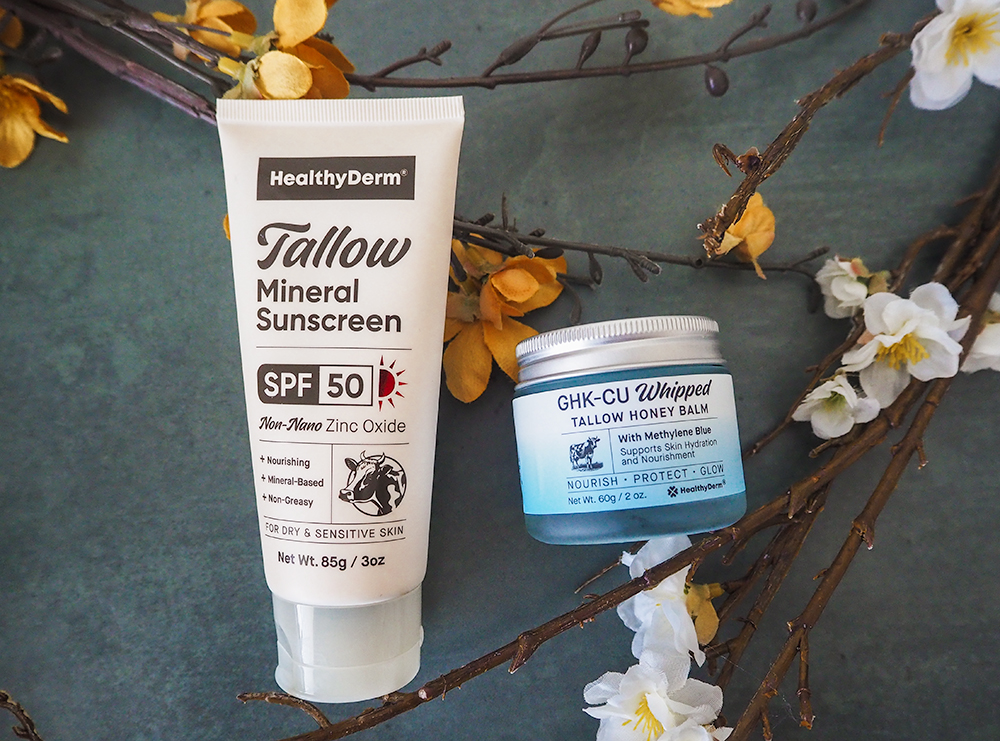
This post explains what tallow is, why people are interested in it, whether the science stacks up, and my honest experience testing two HealthyDerm products containing tallow.
*This post contains some affiliate links. This means, at no extra cost to you, I earn some commission if you purchase a product through my link. All thoughts are my own, though, as always. If you want to find out more, visit my affiliate disclosure page*
What is tallow skincare?
Although tallow has recently exploded in popularity on TikTok, it isn’t a new skincare ingredient. According to Paula’s Choice, tallow is rendered animal fat that’s been purified for use in cosmetics and personal care products. In skincare, it’s most commonly derived from cows, although tallow can also come from other animals.
Tallow is primarily composed of triglycerides, lipids, and fatty acids, which can help soften and nourish the skin while supporting the barrier and reducing transepidermal water loss (TEWL).
It’s also worth noting that tallow is an animal-derived ingredient. For some people, this is appealing because it aligns with their preference for traditional, animal-derived skincare ingredients, while others may prefer vegan alternatives.
Scientific evidence for tallow skincare
While there is growing interest in tallow skincare, the scientific evidence is still developing.
A recent peer-reviewed study concluded that, although there are plausible scientific reasons why tallow may support skin hydration and barrier function, there are currently very few high-quality clinical studies investigating beef tallow itself. Much of the available evidence comes from research on individual fatty acids rather than finished tallow skincare products.
Dermatologist Dr Dray shares a similar perspective, explaining that although some fatty acids found in tallow have well-established moisturising properties, many claims circulating on social media are based on anecdotal experiences rather than robust clinical evidence. She also notes that tallow could potentially cause irritation and may not suit acne-prone skin.
It’s also worth remembering that “natural” doesn’t automatically mean safer or more effective. A well-formulated synthetic ingredient can be just as beneficial, and the overall formula matters more than whether an ingredient is natural or not.
So, while tallow isn’t simply another overnight TikTok trend, it also isn’t a skincare ingredient with decades of clinical research behind its use in modern formulations. Instead, it’s best viewed as a traditional ingredient enjoying renewed interest, with promising theoretical benefits and an evidence base that is still evolving.
Is tallow similar to our skin, and does it work for every skin type?
Tallow contains fatty acids such as oleic acid, palmitic acid, and stearic acid, which are also naturally found in human skin lipids. This overlap is why tallow is often described as being “skin-compatible”. However, this doesn’t mean tallow is identical to human sebum or suitable for every skin type, as human sebum is a complex mixture of lipids including squalene, wax esters, and cholesterol.
According to this review on the potential biocompatibility of tallow with human skin, tallow has a lipid profile that shares similarities with human skin, although more research is needed to understand how it performs in skincare formulations.
Due to its rich, occlusive texture, tallow may be particularly appealing for those with dry or dehydrated skin, as it can help reduce TEWL and leave skin feeling softer and more nourished. However, people with oily or acne-prone skin may want to introduce tallow cautiously, as its rich texture may feel too heavy and potentially contribute to congestion for some people. Individual reactions will vary.
I tested two tallow skincare products from HealthyDerm to see if it’s worth the hype
To put tallow skincare to the test, I’ve been using HealthyDerm’s whipped tallow balm and mineral sunscreen for 2 weeks to see whether this trending ingredient is overhyped or genuinely effective. Below, I share my review of each product before sharing my overall verdict on whether tallow skincare is worth trying.
HealthyDerm GHK-Cu Whipped Tallow Honey Balm
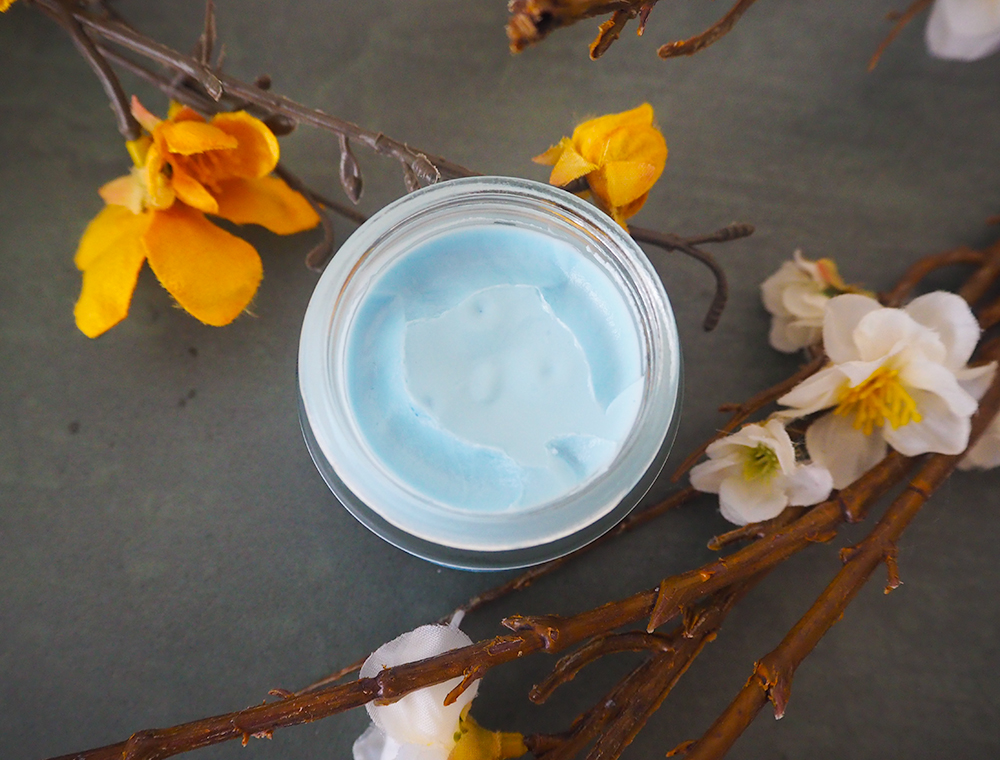
The HealthyDerm GHK-Cu Whipped Tallow Honey Balm claims to be an ultra-hydrating and fast-absorbing moisturiser, formulated for dry and mature skin.
It only features 6 ingredients, making the INCI list quick and easy to read:
- Beef tallow (grass-fed): a rich source of fatty acids that helps soften and moisturise the skin
- Raw manuka honey: a humectant that helps attract moisture and soothe the skin
- Jojoba oil: a lightweight oil that helps soften and support the skin barrier
- Vitamin E (tocopherol from sunflower oil): an antioxidant that helps protect the skin from oxidative stress and supports the skin barrier
- GHK-Cu: a small copper peptide that helps skin support its own collagen
- Methylene blue: a synthetic dye that gives the balm its blue colour
HealthyDerm recommends using this balm as a nighttime step, as methylene blue may increase sun sensitivity, with SPF used during the day.
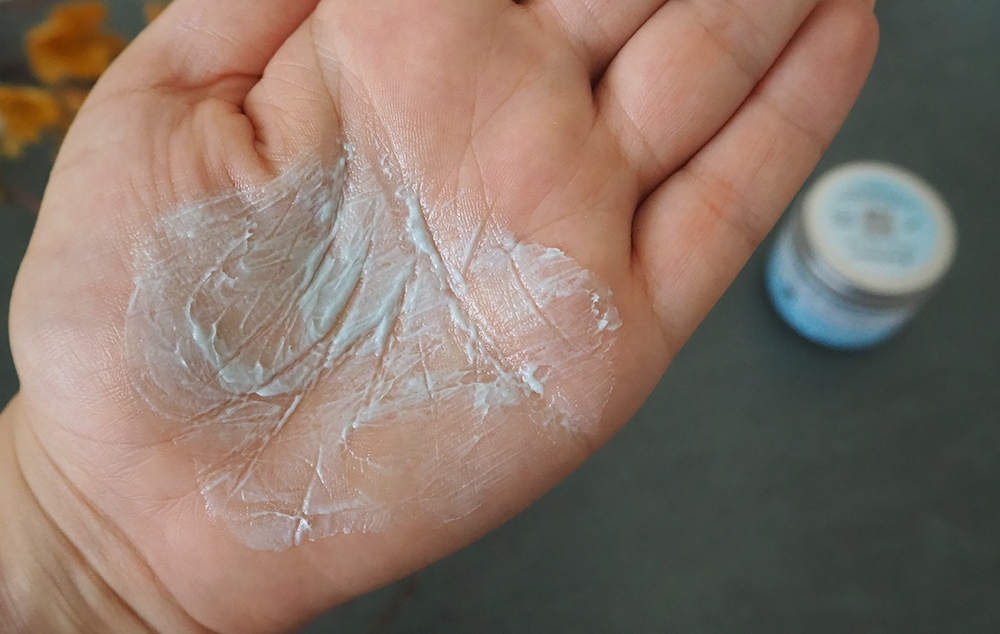
Firstly, I love the texture of this balm. It’s light, whipped, incredibly soft, and melts into the skin effortlessly. Despite being a balm, this doesn’t feel greasy or heavy, and it absorbs into the skin quickly.
This balm doesn’t contain any added fragrance, making it a better option for people with sensitive skin. A lot of tallow skincare products have a beefy smell, which is off-putting. Thankfully, this balm has a slightly sweet and botanical scent and doesn’t smell like meat at all.
When I apply the balm, it makes my skin feel immediately nourished and smooth. I’ve got combination skin, and an almond-sized amount of balm is ample to moisturise my entire face. On application, it gives my skin a wonderful glow.
I use this as a nighttime moisturiser, as the formula is quite rich. I also don’t use this balm every evening, as when I trialled that, it led to a few breakouts. Using this balm 3-4 times a week seems to strike the right balance between nourishing my skin and keeping it pimple-free.
Rating: 4.5 stars
This is a luxurious balm that deeply hydrates and softens skin. People with dry or dehydrated skin will particularly appreciate how moisturising and softening this formula is.
HealthyDerm Tallow Mineral Sunscreen SPF50
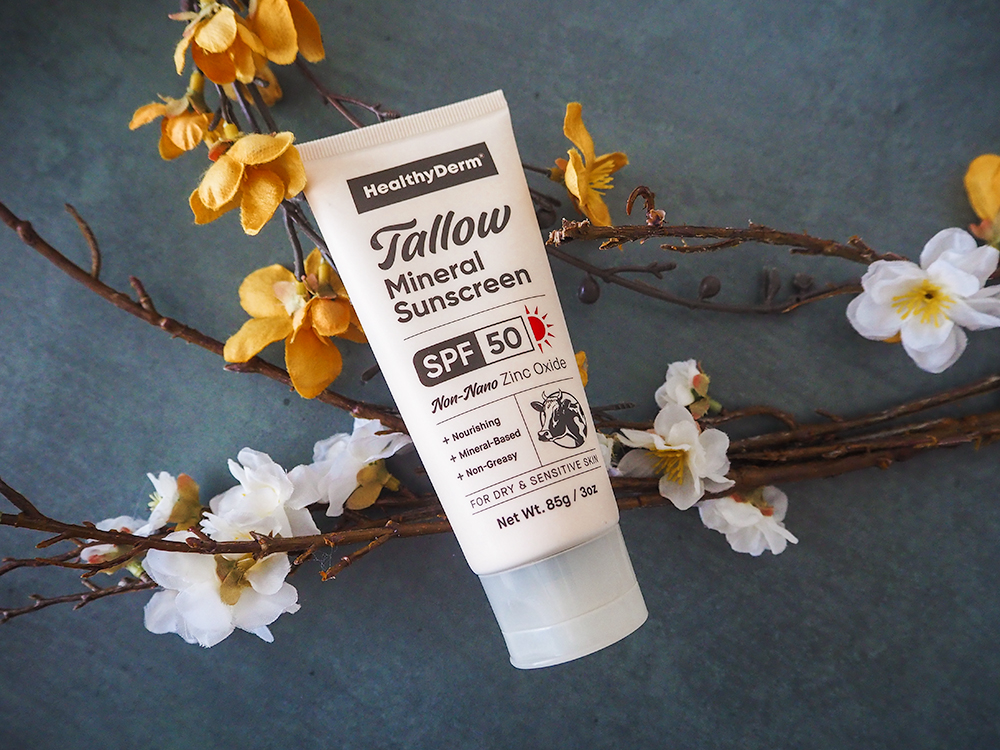
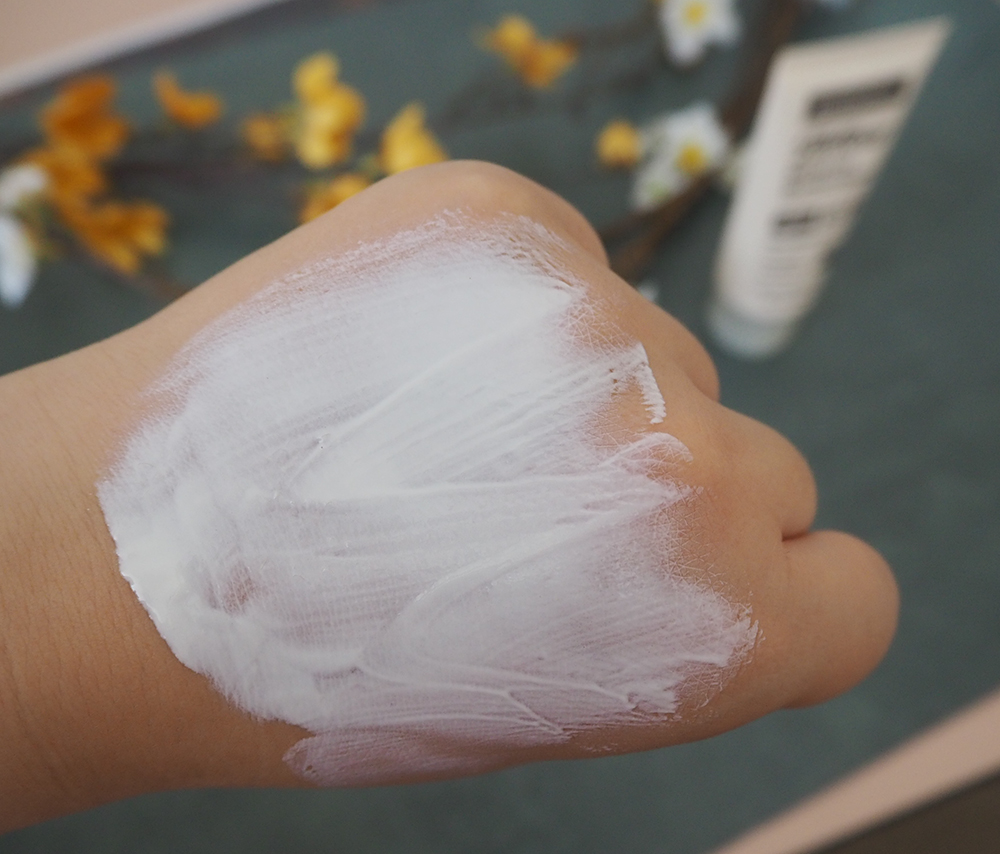
The HealthyDerm Tallow Mineral Sunscreen SPF50 is a broad-spectrum sunscreen containing only mineral UV filters. It claims to be gentle, non-greasy, and leave a minimal white cast. It can be used for ages 6 months and up.
This sunscreen contains 9 ingredients. The key ingredients are:
- Zinc oxide: a mineral UV filter that provides broad-spectrum protection against UVA and UVB rays
- Beef tallow (grass-fed): a rich source of fatty acids that helps soften and moisturise the skin
- Jojoba oil: a lightweight oil that helps soften the skin and support the skin barrier
- Beeswax: helps soften the skin and reduce moisture loss
- Lecithin: a skin-conditioning ingredient that helps improve moisture retention
- Centella asiatica: a soothing botanical extract that helps calm and hydrate the skin
This mineral SPF has a very thick consistency. Despite the brand’s non-greasy claims, I unfortunately find this formula to be on the oilier side. I have to apply this sparingly and in layers to ensure it fully melts into the skin. Otherwise, it’s too rich for my combination skin and leads to breakouts.
Again, this formula contains no added fragrance, which is great for people with sensitive skin. I find it gentle and non-irritating to the eyes.
On the positive side, this sunscreen is very hydrating. For people with dry skin, you may be able to skip a separate moisturiser when using this SPF, as the tallow and jojoba oil provide plenty of nourishment.
Unfortunately, this mineral SPF does leave a white cast. HealthyDerm recommends leaving it for at least a minute after applying it before checking for white cast to allow it to melt into the skin. Even when I check half an hour afterwards, I can still see some white cast. It’s nothing crazy, but if you’re not fair/light like me, expect this sunscreen to have a noticeable white cast on your skin.
I also find this formula to be a bit heavy on my skin. Instead of sinking in and becoming undetectable, it leaves behind a greasy finish. This makes it harder to apply the recommended amount of sunscreen and puts me off reapplying throughout the day. As with any sunscreen, applying enough product is essential to achieve the stated SPF50 protection. Unfortunately, applying a fuller amount also increases the likelihood of breakouts for my combination skin.
I also wouldn’t personally choose this under makeup, as the richer finish means it may interfere with other complexion products.
Rating: 3 stars
I believe this formula would work much better for people with fair, dry skin, where the white cast will be minimal, and they may appreciate the richer, more protective feel of the formula.
The verdict: Is tallow skincare worth trying?
Tallow skincare may be worth trying if you have dry or dehydrated skin and enjoy richer, balm-like textures. It’s very nourishing and gives skin a visible dewiness.
However, it’s not going to work miracles, and there’s very little scientific evidence to suggest this trending ingredient is going to heal acne, psoriasis, or eczema. Instead, tallow is a rich, hydrating ingredient that can leave you with soft and smooth skin.
For people with oily and combination skin, use tallow more sparingly, as richer formulas may contribute to breakouts for some people.
While HealthyDerm’s SPF didn’t work for my combination skin, I love the GHK-Cu Whipped Tallow Honey Balm as a nourishing nighttime moisturiser. I’ll especially enjoy using this in winter when the weather is harsher and my skin is drier from constant central heating.
 Sarah Sarsby is the owner of A Woman's Confidence. With over 7 years' experience of writing in the fields of beauty and lifestyle, Sarah is passionate about all things content, makeup, skincare, wellness, and lifestyle. She has combination skin, is obsessed with lip gloss, and loves cookie dough.
Even though I have drier skin, I usually prefer a lightweight SPF so I can add whatever moisturiser I like underneath. I’ve tried tallow skincare before and found it quite heavy, so I’d be intrigued to try this moisturiser!